Save 60 Minutes A Day

Save 60 Minutes A Day With GetFriday

As the saying goes, even a second is precious for a busy person and saving a whole 60 minutes is equivalent to striking a pot of gold. To have 60 whole minutes of your life back, could mean spending more time with your family, catching that movie you wanted to watch at the theater, jogging with your pet, Bruno at the beach, relaxing at the spa or just unwinding on the couch. To assist you all your business, personal and administrative requirements, GetFriday’s Virtual Assistants can help offload your work while you catch that much needed break for yourself. GetFriday has now come up with a series of ‘Save 60 Minutes A Day’ videos for you, capturing the very essence of how our virtual assistance services could help a client offload tasks and make a difference in his/her life in the process. The first of these videos, titled ‘Meet Jane’, is about a working mother of two, who is also an entrepreneur of a successful e-commerce store. Not being able to strike a balance in her work and personal life, Jane gets really flustered, but manages to change her life for the better by hiring a GetFriday Virtual Assistant! Her virtual assistant helps her by saving 60 minutes of her day everyday, by handling all her e-commerce back-end work for her, while she finally gets to spend some quality time with her kids! We are going to have a lot more videos in the ‘Save 60 Minutes A Day Series’, so, stay tuned for more updates!

Save 60 Minutes A Day With GetFriday Read More »

As the saying goes, even a second is precious for a busy person and saving a whole 60 minutes is equivalent to striking a pot of gold. To have 60 whole minutes of your life back, could mean spending more time with your family, catching that movie you wanted to watch at the theater, jogging with your pet, Bruno at the beach, relaxing at the spa or just unwinding on the couch. To assist you all your business, personal and administrative requirements, GetFriday’s Virtual Assistants can help offload your work while you catch that much needed break for yourself. GetFriday has now come up with a series of ‘Save 60 Minutes A Day’ videos for you, capturing the very essence of how our virtual assistance services could help a client offload tasks and make a difference in his/her life in the process. The first of these videos, titled ‘Meet Jane’, is about a working mother of two, who is also an entrepreneur of a successful e-commerce store. Not being able to strike a balance in her work and personal life, Jane gets really flustered, but manages to change her life for the better by hiring a GetFriday Virtual Assistant! Her virtual assistant helps her by saving 60 minutes of her day everyday, by handling all her e-commerce back-end work for her, while she finally gets to spend some quality time with her kids! We are going to have a lot more videos in the ‘Save 60 Minutes A Day Series’, so, stay tuned for more updates!

E-Commerce Store – Holiday Season Check List For Increasing Sales

Holiday season is near and this is the time online stores see a surge in sales. But like all things in life you need to be prepared. GetFriday has been around for 10 years now and we have come to understand and learn from our ecommerce clients, the essentials that are required to increase sales during the holiday season. Click on the picture below to see this blog in a slideshare format. Here is a checklist for your quick consumption:   1. This is the best time to launch new products This is the time of the year GetFriday associates get busy with remodeling e-commerce stores, resizing and editing the product images, proof reading the content, uploading products on amazon and rearranging the website display. Most e-commerce firms would consider this as the best time to launch a new product. The chances of succeeding now are far higher than any time later. The known factor about customers is that they are willing to spend more during this season. US retail sales for December 2014 was $442.9 billion – this was an increase of 3.2% over December 2013.   2. Start early with promotions and campaigns A recent study conducted by Oracle Marketing Cloud and Edison Research shows that consumers are doing their holiday shopping early, spending as much as $900 more in the month of October than in December. Start early with planning holiday promotions and campaigns. Our data shows that e-commerce stores start preparing for the holiday season as early as September – October and are ready to launch their campaigns. This give enough time for e-commerce stores to conduct experimental marketing and figure out ways to succeed with customers. With consumers, too willing to take advantage of early shopping discounts and promotions, the timing of promotions and campaigns has gained relevance in recent times. Remember you are competing for the customer wallet. If you are not ready for launching promotions for all your visitors in October, it is advisable to start campaigns with your existing database of clients. Give them the opportunity to take advantage of promotions before your new visitors. It is a known fact that cost of acquiring a new customer is higher than retaining an existing customer. 3. Increase your advertisement budget Let us simplify advertising for you – As you reach more customers with relevant offers, chances of sales increases proportionally. Holiday season is the best time to increase your spending on marketing, as you know for sure customers are looking for your products. If not yours they will land on a competitor’s website. Research shows that social media has a major impact on purchasing choices made by holiday shoppers. “More than half of users (52 percent) say they learned about a product they later purchased because of Twitter, and it’s so convenient to find gift ideas on Twitter that 39 percent say Twitter serves as their new holiday shopping list,” a 2014 Twitter study found. 4. Is your operations ready for holiday season? Make sure operational capabilities are ready for the holiday season. This is the time new customers would be experiencing your product and service, and chances of making them your loyal customer rests with the experience they will gain. It is a common practice with large retailers to hire employees during holiday season to manage customer operations. Learning from this industry practice, you could hire virtual assistants to help manage operations during the holiday season. 5. Is your website spreading the joy – with analytics? Your website needs to reflect the holiday season spirit and create the festive effect. Happy customers tend to buy more. You probably already know that the website is your store front. Look at data generated from your campaigns to optimize your pages. Let the best sellers be visible to your customers. 6. Be ready for customers purchasing from their phones UPS compass in its recent article How America will shop in 2015 quoted IBM data to reveal that mobiles accounted for 45 percent of all 2014 online holiday traffic and for 22.6 percent of online sales, a 27.2 percent gain over the 2013 total More than 50 percent of online shopping traffic came from mobiles during the five days from Thanksgiving to Cyber Monday. These numbers drive home the point of need to be prepared with providing customers options of shopping through their mobiles and making their experiences pleasant and user-friendly.

E-Commerce Store – Holiday Season Check List For Increasing Sales Read More »

Holiday season is near and this is the time online stores see a surge in sales. But like all things in life you need to be prepared. GetFriday has been around for 10 years now and we have come to understand and learn from our ecommerce clients, the essentials that are required to increase sales during the holiday season. Click on the picture below to see this blog in a slideshare format. Here is a checklist for your quick consumption:   1. This is the best time to launch new products This is the time of the year GetFriday associates get busy with remodeling e-commerce stores, resizing and editing the product images, proof reading the content, uploading products on amazon and rearranging the website display. Most e-commerce firms would consider this as the best time to launch a new product. The chances of succeeding now are far higher than any time later. The known factor about customers is that they are willing to spend more during this season. US retail sales for December 2014 was $442.9 billion – this was an increase of 3.2% over December 2013.   2. Start early with promotions and campaigns A recent study conducted by Oracle Marketing Cloud and Edison Research shows that consumers are doing their holiday shopping early, spending as much as $900 more in the month of October than in December. Start early with planning holiday promotions and campaigns. Our data shows that e-commerce stores start preparing for the holiday season as early as September – October and are ready to launch their campaigns. This give enough time for e-commerce stores to conduct experimental marketing and figure out ways to succeed with customers. With consumers, too willing to take advantage of early shopping discounts and promotions, the timing of promotions and campaigns has gained relevance in recent times. Remember you are competing for the customer wallet. If you are not ready for launching promotions for all your visitors in October, it is advisable to start campaigns with your existing database of clients. Give them the opportunity to take advantage of promotions before your new visitors. It is a known fact that cost of acquiring a new customer is higher than retaining an existing customer. 3. Increase your advertisement budget Let us simplify advertising for you – As you reach more customers with relevant offers, chances of sales increases proportionally. Holiday season is the best time to increase your spending on marketing, as you know for sure customers are looking for your products. If not yours they will land on a competitor’s website. Research shows that social media has a major impact on purchasing choices made by holiday shoppers. “More than half of users (52 percent) say they learned about a product they later purchased because of Twitter, and it’s so convenient to find gift ideas on Twitter that 39 percent say Twitter serves as their new holiday shopping list,” a 2014 Twitter study found. 4. Is your operations ready for holiday season? Make sure operational capabilities are ready for the holiday season. This is the time new customers would be experiencing your product and service, and chances of making them your loyal customer rests with the experience they will gain. It is a common practice with large retailers to hire employees during holiday season to manage customer operations. Learning from this industry practice, you could hire virtual assistants to help manage operations during the holiday season. 5. Is your website spreading the joy – with analytics? Your website needs to reflect the holiday season spirit and create the festive effect. Happy customers tend to buy more. You probably already know that the website is your store front. Look at data generated from your campaigns to optimize your pages. Let the best sellers be visible to your customers. 6. Be ready for customers purchasing from their phones UPS compass in its recent article How America will shop in 2015 quoted IBM data to reveal that mobiles accounted for 45 percent of all 2014 online holiday traffic and for 22.6 percent of online sales, a 27.2 percent gain over the 2013 total More than 50 percent of online shopping traffic came from mobiles during the five days from Thanksgiving to Cyber Monday. These numbers drive home the point of need to be prepared with providing customers options of shopping through their mobiles and making their experiences pleasant and user-friendly.

CRM Investments Failure

Five Reasons Why CRM Investments Fail In E-Commerce Space

In 10 years of GetFriday’s existence, we have handled a lot of CRMs! Our insights for this blog are derived from this experience. Our clients have been at times, early adopters of these tools. We also happen to have a huge client base of entrepreneurs and small businesses. This has enabled us to have a 360 degree view of CRM usage or its lack of usage. Without doubt CRMS are useful tools for e-commerce It is true that CRM software can help e-commerce businesses provide excellent customer support by managing and storing all data related to customers and transactions. Though all this can be achieved through other online tools, the beauty of buying CRM software is to be able to utilize it in such a manner that it can take care of your business needs automatically while allowing you to focus on improving your sales conversion rates considerably. Nevertheless, majority of companies fail to benefit from CRMs and end up losing huge amounts of money. We have identified 5 reasons for the failure of CRMs in the e-commerce industry through our longstanding experience of serving e-commerce clients. This blog is also summarized in the form of Slideshare presentation. Please click on the below image for the presentation. 5 Reasons for CRM Investments Failure   1. Not utilizing full capacity of CRMs Imagine you hired an employee for your small e-commerce business, and are unable to use 40% of this person’s skill. A smart business owner should ideally be worried. But somehow, business professionals do not worry about the unused capacities of assets. Our internal data shows many entrepreneurs do not utilize as much as 40 % of CRMs capability. This is not because there is a problem with the CRM software, but because e-commerce businesses often miss out on critically analyzing the requirements of the CRM within the business at the outset. These CRMs generally have limited or no use in the business and are dead resources. This renders the CRM a misfit within the e-commerce business if not employed correctly. 2. Buying a CRM too early Define the CRM requirements first before jumping into which CRM to buy. If you are just starting out as an e-commerce company, your focus ideally be targeted towards expanding your client base, attracting as many customers as possible and achieving breakeven sales with your products online. Managing customer relations and records in an organized database is also, extremely important. But Google drives and other free tools do an equally good job. Therefore, if you are starting out, it would be wise to analyze if using a CRM at this stage can prove to be fruitful. We suggest you to start lean. 3. Not setting objectives, goals and targets for CRM One way to derive maximum from your CRM is to set a clear objective, goal and target. Treat your CRM as an asset that needs to justify its costs. With CRMs being implemented in businesses across industries in today’s world, SMEs and upcoming e-commerce companies may find it necessary to implement CRMs in their own businesses, without understanding how the features can be fully utilized to boost business efficiency. The requirement for a CRM is the result of much deliberation over difficult business truths such as dwindling sales, strained customer relations, service woes or escalating marketing issues. The mistake takes place with the first step when businesses implement CRMs without understanding its features, the metrics it has to offer and how in turn a CRM can help your e-commerce business grow. 4. Owning a CRM only as a social norm Over these years, we have seen entrepreneurs rushing to buy a CRM as a part of their initial start up infrastructure. They utilize it to supplement their daily meetings with prospects and networks and end up buying CRMs only because others in the industry have implemented them and because they assume it is necessary. Though the assumption may not be entirely wrong, we strongly suggest you ask yourself these 4 simple questions before you buy a CRM – Can it solve the problems in my business? Does it suit by budget? Can it integrate seamlessly with my existing software and systems? Is it necessary at this point of my company’s operations? CRMs should not be implemented just for the heck of it and just because every other company in the block is using a Salesforce or a Zoho. It should only be employed if an e-commerce business has the resources for it, has the ability to answer these questions and be able to present solutions for it. 5. Inefficiency in uploading the data in CRM The data you capture from your customers need to be updated in a timely manner into your CRMs. This requires your time and devotion. Typically our study shows, that the lack of time to enter data into CRMs remains the single most problem for entrepreneurs and e-commerce store owners alike. We suggest you hire a virtual assistant to handle this work seamlessly. If you want to avoid the possibility of failures, your first step should be to take care of these 5 reasons. Since investing in a CRM is a big deal, make sure you have your goals defined and its needs/requirements for the business sorted before you take the plunge. After all, CRMs are assets and like any other asset, need to be justified for its costs and employed properly for maximum benefits.

Five Reasons Why CRM Investments Fail In E-Commerce Space Read More »

In 10 years of GetFriday’s existence, we have handled a lot of CRMs! Our insights for this blog are derived from this experience. Our clients have been at times, early adopters of these tools. We also happen to have a huge client base of entrepreneurs and small businesses. This has enabled us to have a 360 degree view of CRM usage or its lack of usage. Without doubt CRMS are useful tools for e-commerce It is true that CRM software can help e-commerce businesses provide excellent customer support by managing and storing all data related to customers and transactions. Though all this can be achieved through other online tools, the beauty of buying CRM software is to be able to utilize it in such a manner that it can take care of your business needs automatically while allowing you to focus on improving your sales conversion rates considerably. Nevertheless, majority of companies fail to benefit from CRMs and end up losing huge amounts of money. We have identified 5 reasons for the failure of CRMs in the e-commerce industry through our longstanding experience of serving e-commerce clients. This blog is also summarized in the form of Slideshare presentation. Please click on the below image for the presentation. 5 Reasons for CRM Investments Failure   1. Not utilizing full capacity of CRMs Imagine you hired an employee for your small e-commerce business, and are unable to use 40% of this person’s skill. A smart business owner should ideally be worried. But somehow, business professionals do not worry about the unused capacities of assets. Our internal data shows many entrepreneurs do not utilize as much as 40 % of CRMs capability. This is not because there is a problem with the CRM software, but because e-commerce businesses often miss out on critically analyzing the requirements of the CRM within the business at the outset. These CRMs generally have limited or no use in the business and are dead resources. This renders the CRM a misfit within the e-commerce business if not employed correctly. 2. Buying a CRM too early Define the CRM requirements first before jumping into which CRM to buy. If you are just starting out as an e-commerce company, your focus ideally be targeted towards expanding your client base, attracting as many customers as possible and achieving breakeven sales with your products online. Managing customer relations and records in an organized database is also, extremely important. But Google drives and other free tools do an equally good job. Therefore, if you are starting out, it would be wise to analyze if using a CRM at this stage can prove to be fruitful. We suggest you to start lean. 3. Not setting objectives, goals and targets for CRM One way to derive maximum from your CRM is to set a clear objective, goal and target. Treat your CRM as an asset that needs to justify its costs. With CRMs being implemented in businesses across industries in today’s world, SMEs and upcoming e-commerce companies may find it necessary to implement CRMs in their own businesses, without understanding how the features can be fully utilized to boost business efficiency. The requirement for a CRM is the result of much deliberation over difficult business truths such as dwindling sales, strained customer relations, service woes or escalating marketing issues. The mistake takes place with the first step when businesses implement CRMs without understanding its features, the metrics it has to offer and how in turn a CRM can help your e-commerce business grow. 4. Owning a CRM only as a social norm Over these years, we have seen entrepreneurs rushing to buy a CRM as a part of their initial start up infrastructure. They utilize it to supplement their daily meetings with prospects and networks and end up buying CRMs only because others in the industry have implemented them and because they assume it is necessary. Though the assumption may not be entirely wrong, we strongly suggest you ask yourself these 4 simple questions before you buy a CRM – Can it solve the problems in my business? Does it suit by budget? Can it integrate seamlessly with my existing software and systems? Is it necessary at this point of my company’s operations? CRMs should not be implemented just for the heck of it and just because every other company in the block is using a Salesforce or a Zoho. It should only be employed if an e-commerce business has the resources for it, has the ability to answer these questions and be able to present solutions for it. 5. Inefficiency in uploading the data in CRM The data you capture from your customers need to be updated in a timely manner into your CRMs. This requires your time and devotion. Typically our study shows, that the lack of time to enter data into CRMs remains the single most problem for entrepreneurs and e-commerce store owners alike. We suggest you hire a virtual assistant to handle this work seamlessly. If you want to avoid the possibility of failures, your first step should be to take care of these 5 reasons. Since investing in a CRM is a big deal, make sure you have your goals defined and its needs/requirements for the business sorted before you take the plunge. After all, CRMs are assets and like any other asset, need to be justified for its costs and employed properly for maximum benefits.

GetFriday Newsletter – E-Commerce Insights

Industry News: E-Commerce Insights GetFriday has begun its monthly endeavors of providing you with information that could be of use to you. We aim to impart important insights to our clients to help them promote and help e-commerce stores grow. At GetFriday, we have had diverse experiences with our clients, most of them largely E-Commerce clients. The year 2015 is packed with a number of changes and prevalent trends in the E-commerce industry. Industry players need to now understand and adopt these changes in order to be able procure revenue and attract traffic. Some of the top trends for the E-Commerce industry for this year are highlighted below and are as follows:- Sales are now being effectively carried out over mobile phones. A recent survey shows that mobile now “account for 50.3% of all E-Commerce Traffic”. Also, the new Google algorithm change that requires websites to be mobile-friendly should be well in place for E-commerce websites by now in order for a better ranking on search engine sites in order to attract traffic. Social media sites are now turning into lucrative platforms for driving sales to e-commerce websites. A lot of consumers are now turning to Pinterest, Polyvore, Instagram, Twitter and Facebook to ‘discover’ new, prevalent e-commerce products and to Twitter for specialty/niche industries. Setting up Facebook stores are also becoming a popular trend, helping E-commerce websites directly on the platform through a trusted and secure payment gateway. Social commerce has been viewed as one of the most important e-commerce trends for the year and funnels a large part of website viewership and traffic. But if generating traffic was not enough, Facebook tops the list as the social media site that brings in the highest conversion rate for e-commerce traffic at 1.85%. People shop whenever it is convenient for them during the day or night and don’t necessarily use the desktop or the laptop to surf e-commerce websites. People shop or go through e-commerce websites on the move, during the day, before they go to bed at night and even between the periods 12-2PM at the work place and on Sunday Evenings. This is a proven statistic. E-commerce websites should take a note of this and if you are PPC advertiser, this could work as a model for you to be able to place your ad campaigns effectively. These have been some of the top trends for 2015. There will be more updates and more newsletters on what’s fresh and what’s doing the rounds in the e-commerce industry. Stay tuned for the latest postings, tips, offerings and blogs specific to the e-commerce industry in the next issue and follows us on Facebook, Twitter, Google+ and LinkedIn as well.

GetFriday Newsletter – E-Commerce Insights Read More »

Industry News: E-Commerce Insights GetFriday has begun its monthly endeavors of providing you with information that could be of use to you. We aim to impart important insights to our clients to help them promote and help e-commerce stores grow. At GetFriday, we have had diverse experiences with our clients, most of them largely E-Commerce clients. The year 2015 is packed with a number of changes and prevalent trends in the E-commerce industry. Industry players need to now understand and adopt these changes in order to be able procure revenue and attract traffic. Some of the top trends for the E-Commerce industry for this year are highlighted below and are as follows:- Sales are now being effectively carried out over mobile phones. A recent survey shows that mobile now “account for 50.3% of all E-Commerce Traffic”. Also, the new Google algorithm change that requires websites to be mobile-friendly should be well in place for E-commerce websites by now in order for a better ranking on search engine sites in order to attract traffic. Social media sites are now turning into lucrative platforms for driving sales to e-commerce websites. A lot of consumers are now turning to Pinterest, Polyvore, Instagram, Twitter and Facebook to ‘discover’ new, prevalent e-commerce products and to Twitter for specialty/niche industries. Setting up Facebook stores are also becoming a popular trend, helping E-commerce websites directly on the platform through a trusted and secure payment gateway. Social commerce has been viewed as one of the most important e-commerce trends for the year and funnels a large part of website viewership and traffic. But if generating traffic was not enough, Facebook tops the list as the social media site that brings in the highest conversion rate for e-commerce traffic at 1.85%. People shop whenever it is convenient for them during the day or night and don’t necessarily use the desktop or the laptop to surf e-commerce websites. People shop or go through e-commerce websites on the move, during the day, before they go to bed at night and even between the periods 12-2PM at the work place and on Sunday Evenings. This is a proven statistic. E-commerce websites should take a note of this and if you are PPC advertiser, this could work as a model for you to be able to place your ad campaigns effectively. These have been some of the top trends for 2015. There will be more updates and more newsletters on what’s fresh and what’s doing the rounds in the e-commerce industry. Stay tuned for the latest postings, tips, offerings and blogs specific to the e-commerce industry in the next issue and follows us on Facebook, Twitter, Google+ and LinkedIn as well.

GetFriday Newsletter – Get Friday and Social Media

With GetFriday stepping into its 10th year of operations, we would like to take the opportunity to firstly, offer our sincerest thanks and gratitude to every client who has supported us in our endeavors along the way. Without your conviction and belief, it would have been impossible for GetFriday to achieve the kind of success it has. We have spread our wings through social media marketing and have built our presence on a number of popular social media platforms such as Facebook, LinkedIn, Twitter and Google+. Through this, we aim to help clients discover our latest postings whilst also providing exciting opportunities to avail the best of GetFriday’s virtual assistance services. A series of social media campaigns will be launched on a monthly basis for this special year and clients, both old and new, will be chosen as the recipients of tremendous benefits. A recent ‘Friendship Day’ campaign was launched on the official GetFriday social media pages on July 27th, 2015. The campaign was primarily targeted at clients who had availed GetFriday’s services and to help clients’ friends avail the same, by gifting them GetFriday hours, along with submitting a special tweet, a shout-out or a personalized message for Friendship Day. The result of the campaign was nothing short of a grand success, wit the existing clients also receiving exciting, referral benefits. Similarly, GetFriday ran an exciting “World Entrepreneurs Day” campaign from the 17th-21st August. The prime motive behind launching such an exclusive campaign was to celebrate entrepreneurs and their contributions around the world. As many of our clients are businesspersons themselves, we offered them $25 as cash prizes and also a complementary offer wherein the clients referrals earned 25% off on the first month’s bill if they signed up during the offer period. The campaign proved to be fruitful and gave the golden opportunity to clients to earn exciting prizes and benefits and also gave GetFriday a chance to welcome new clients into the GetFriday family. More such campaigns will be launched across GetFriday’s official pages. Stay tuned and follow us on our social media sites for latest offerings, blogs and news. Not only will you be able to view the latest internal news, but you will also be able to benefit from the fresh, quality content posted for professionals and entrepreneurs across various domains and industries on a weekly basis. We love to hear from you and we bet you would love to hear from us too! Let’s stay connected.

GetFriday Newsletter – Get Friday and Social Media Read More »

With GetFriday stepping into its 10th year of operations, we would like to take the opportunity to firstly, offer our sincerest thanks and gratitude to every client who has supported us in our endeavors along the way. Without your conviction and belief, it would have been impossible for GetFriday to achieve the kind of success it has. We have spread our wings through social media marketing and have built our presence on a number of popular social media platforms such as Facebook, LinkedIn, Twitter and Google+. Through this, we aim to help clients discover our latest postings whilst also providing exciting opportunities to avail the best of GetFriday’s virtual assistance services. A series of social media campaigns will be launched on a monthly basis for this special year and clients, both old and new, will be chosen as the recipients of tremendous benefits. A recent ‘Friendship Day’ campaign was launched on the official GetFriday social media pages on July 27th, 2015. The campaign was primarily targeted at clients who had availed GetFriday’s services and to help clients’ friends avail the same, by gifting them GetFriday hours, along with submitting a special tweet, a shout-out or a personalized message for Friendship Day. The result of the campaign was nothing short of a grand success, wit the existing clients also receiving exciting, referral benefits. Similarly, GetFriday ran an exciting “World Entrepreneurs Day” campaign from the 17th-21st August. The prime motive behind launching such an exclusive campaign was to celebrate entrepreneurs and their contributions around the world. As many of our clients are businesspersons themselves, we offered them $25 as cash prizes and also a complementary offer wherein the clients referrals earned 25% off on the first month’s bill if they signed up during the offer period. The campaign proved to be fruitful and gave the golden opportunity to clients to earn exciting prizes and benefits and also gave GetFriday a chance to welcome new clients into the GetFriday family. More such campaigns will be launched across GetFriday’s official pages. Stay tuned and follow us on our social media sites for latest offerings, blogs and news. Not only will you be able to view the latest internal news, but you will also be able to benefit from the fresh, quality content posted for professionals and entrepreneurs across various domains and industries on a weekly basis. We love to hear from you and we bet you would love to hear from us too! Let’s stay connected.

GetFriday Newsletter – GetFriday Turns 10!

GetFriday completed it 10 years of existence in the Virtual Assistance Industry in August 2015. This is a huge milestone to achieve for us and on this joyful occasion of turning 10; Team Get Friday would like to thank you all. You are the clients believing in our abilities and supporting us for very long time; we owe it all to our clients and the strong bonds we have fostered through time. Through the course of these 10 years, GetFriday has seen its share of ups and downs, but thankfully, we have had more ups than downs. For 10 years, GetFriday has helped offload tasks for more than 13,000 clients around 60 countries with its personal virtual assistance services. A lot has changed and we are now slowly evolving to be a business support service from virtual assistance support. The competition has been tough. Many of our competitors have disappeared and others are stuck in middle age blues. Our steadfast focus on learning from our customers has enabled us to survive and flourish for a decade now. We believe, GetFriday has gone on to bring about a positive change in the lives of all its clients, no matter how small or big the task outsourced. During a time when personal virtual assistance services were literally unheard of, GetFriday sprang up in 2005 as the sister concern of YMII (Your Man In India) and began offering personal, administrative, secretarial and specialized services to clients, virtually. The success of our venture, which began way back in 2005, was featured and documented in the best-selling book, “4 Hour Work Week” authored by Tim Ferris, in 2007. Within just a span of 2 years, GetFriday achieved so success and acclaim and carved its place as an indomitable player in the market of virtual assistance services. As a celebration of our successful 10-year run and for having been associated with us during our incredible journey, we are going to run a year-long campaign with oodles of benefits and exciting offers for our wide client-base.

GetFriday Newsletter – GetFriday Turns 10! Read More »

GetFriday completed it 10 years of existence in the Virtual Assistance Industry in August 2015. This is a huge milestone to achieve for us and on this joyful occasion of turning 10; Team Get Friday would like to thank you all. You are the clients believing in our abilities and supporting us for very long time; we owe it all to our clients and the strong bonds we have fostered through time. Through the course of these 10 years, GetFriday has seen its share of ups and downs, but thankfully, we have had more ups than downs. For 10 years, GetFriday has helped offload tasks for more than 13,000 clients around 60 countries with its personal virtual assistance services. A lot has changed and we are now slowly evolving to be a business support service from virtual assistance support. The competition has been tough. Many of our competitors have disappeared and others are stuck in middle age blues. Our steadfast focus on learning from our customers has enabled us to survive and flourish for a decade now. We believe, GetFriday has gone on to bring about a positive change in the lives of all its clients, no matter how small or big the task outsourced. During a time when personal virtual assistance services were literally unheard of, GetFriday sprang up in 2005 as the sister concern of YMII (Your Man In India) and began offering personal, administrative, secretarial and specialized services to clients, virtually. The success of our venture, which began way back in 2005, was featured and documented in the best-selling book, “4 Hour Work Week” authored by Tim Ferris, in 2007. Within just a span of 2 years, GetFriday achieved so success and acclaim and carved its place as an indomitable player in the market of virtual assistance services. As a celebration of our successful 10-year run and for having been associated with us during our incredible journey, we are going to run a year-long campaign with oodles of benefits and exciting offers for our wide client-base.

GetFriday Newsletter – GetFriday’s Independence Day Celebrations!

August 15th, 2015 marked the beginning of the 69th year of India as an independent nation and the employees at GetFriday welcomed this momentous occasion with pomp and style. Each year, the Independence Day celebrations at GetFriday evoke the feelings of pride and love and people, no matter caste, creed, or religion, are awash with patriotism in in their hearts. This year too, was no exception. Right from the start of the day, all the way till midnight, each employee contributed to the celebrations in their own way and brought out the best of their cultures to the workplace. The office was decorated with balloons, flags and confetti and people walked in wearing the tricolors of the Indian flag on their clothes with pride and were seen flashing Indian wrist-bands, Indian flag badges and even painted the Indian flag as tattoos on their faces! Such was the air of nationalism at the cheerful GetFriday office during the Independence Day celebrations. Colorful saris, stately attires and unique jewelry were adorned for this occasion and each employee looked their Indian-best! GetFriday employees have been working round the clock and through the year tirelessly. Events such as these at the work place gives employees a chance to let their hair down, have some fun and bond with each other. In honor of this momentous occasion, two separate cultural events took place for the employees working in the day shift and the night shift. Revelry prevailed and every employee put their heart and soul into make the cultural events a grand success. The action-packed event began with fun games and an invocatory song and dance. This was followed by teams putting their sweat and blood into the collage-making activity, socially-driven street plays and a grand fashion show competition that displayed the rich culture and heritage of the different states of India. The celebrations at the GetFriday office in Bangalore lasted through the night and will go down as one of the most memorable events for the year 2015. Independence Day celebrations will remain etched in the hearts and minds of employees for years to come and promises to be bigger and better the next year! Here’s to our incredible India and here’s to more such wonderful occasions!

GetFriday Newsletter – GetFriday’s Independence Day Celebrations! Read More »

August 15th, 2015 marked the beginning of the 69th year of India as an independent nation and the employees at GetFriday welcomed this momentous occasion with pomp and style. Each year, the Independence Day celebrations at GetFriday evoke the feelings of pride and love and people, no matter caste, creed, or religion, are awash with patriotism in in their hearts. This year too, was no exception. Right from the start of the day, all the way till midnight, each employee contributed to the celebrations in their own way and brought out the best of their cultures to the workplace. The office was decorated with balloons, flags and confetti and people walked in wearing the tricolors of the Indian flag on their clothes with pride and were seen flashing Indian wrist-bands, Indian flag badges and even painted the Indian flag as tattoos on their faces! Such was the air of nationalism at the cheerful GetFriday office during the Independence Day celebrations. Colorful saris, stately attires and unique jewelry were adorned for this occasion and each employee looked their Indian-best! GetFriday employees have been working round the clock and through the year tirelessly. Events such as these at the work place gives employees a chance to let their hair down, have some fun and bond with each other. In honor of this momentous occasion, two separate cultural events took place for the employees working in the day shift and the night shift. Revelry prevailed and every employee put their heart and soul into make the cultural events a grand success. The action-packed event began with fun games and an invocatory song and dance. This was followed by teams putting their sweat and blood into the collage-making activity, socially-driven street plays and a grand fashion show competition that displayed the rich culture and heritage of the different states of India. The celebrations at the GetFriday office in Bangalore lasted through the night and will go down as one of the most memorable events for the year 2015. Independence Day celebrations will remain etched in the hearts and minds of employees for years to come and promises to be bigger and better the next year! Here’s to our incredible India and here’s to more such wonderful occasions!

Simple Guide To E-Commerce Product Taxonomy

What is taxonomy? When you think of ‘Taxonomy’, you immediately associate the term with the classification of organisms into hierarchical groups as per what you studied in your biology class. Quite right, except that in this case, the word is used to describe not the classifications of organisms, but the classification and organization of ‘unstructured information’ on e-commerce websites for the benefit of users and the business. Why taxonomy? Taxonomy is an extremely crucial component because it helps users navigate through e-commerce websites in a more user-friendly manner, enhances their search experience and thus increases the prospects of a higher ROI for the business. Instead of sifting through the haystack in the wild web, the application of taxonomy helps with search navigation and leads to a more manageable experience – one that is less time-consuming, organized and leads to the ‘right’. Here we provide you a guide to understand ‘e-commerce taxonomy’ better, its benefits and how a business can implement it effectively. Content Strategies & Taxonomy There’s a lot more to taxonomy than just mere categorizing. Just as librarians would sift and arrange books according to title, labels, author and call numbers, this would also apply to e-commerce websites, except that the content can be subdivided, using ‘taxonomy structure’. Taxonomy categorizes unorganized information while the metadata describes the category. Metadata will help with better categorization and more recognizable content from the e-commerce website design perspective. Website Design & Taxonomy A website with unstructured content could lead to difficulties when it comes to navigation and searches. Taxonomy directly corresponds with website design in the form of ‘taxonomy view’ and helps create a positive user-navigation experience, with the neatly arranged categories. Here is a screenshot of an Australian e-commerce website and their distinct categories of footwear, clothing, bags and accessories etc., making navigation through the page an easy, comprehensible one. The highlighted boxes in red in above image shows the categorization of the different footwear for women on this website for easy user navigation and quick searches. What Are The Common Problems Of E-Commerce Sites With No Taxonomy? Let us take the simple example of a taxonomy tree and see what problems could arise from not planning out e-commerce websites taxonomy efficiently:- Categories: -Men -Women -Kids Men: -Babywear -Boys -Adults Women: -Babywear -Girls -Adults The next category after men and women is kids. Now under kids, you can either have the combination of:- Kids -Baby-Boys-Girls Or Baby-Boys Baby-Girls   If you go back to the original taxonomy tree, you will notice that babywear, boys and girls are already listed out under men and women separately. So, by creating another sub-category for ‘kids’, there is an ‘overlap’ or a ‘duplication’ of categories. At this stage, as an e-commerce website, you could either continue to work with the same structure or go back and start and remove the category of ‘kids’ from the parent category. By doing so, you will need to rebuild another taxonomy design from scratch. That leads us to the next part of understanding how to go about building an effective taxonomy. How Do You Build An Effective Taxonomy? Now that you know and understand that taxonomy is crucial for an e-commerce website, you need to build one. With the right direction and information, you can go on to build an effective taxonomy for your e-commerce site. Here’s how you can do it:- 1. Detailed Planning With A Team Taxonomy creation cannot be handled by one member at the work place. A special, multidisciplinary team working across a wide-range of domains is required. The team should have in-depth knowledge in the field of taxonomy, content creation/management, website design and development and SEO in order to do full justice to technical, managerial and business angles. 2. What Is The Scope? Once the team has been formed, find out what the scope is for the project and ask/answer these questions jointly as a team. Is it a small one or a large-scale project? What is the purpose of creating the taxonomy? What is the context in which it will be used? What is the ultimate goal we are trying to achieve? What will the design of the e-commerce website look like? What is the content scope? And who is ultimately the end user? 3. Check Inventory, Make A Draft To start with, begin by jotting down the inventory. Build a taxonomy based on only what you can sell. Once you have done that, make a draft of the taxonomy. Have your hierarchies and categories clearly listed out and divided based on utility, price, size, type, color and make etc. and make sure that the content created adheres to and falls within the functions of each category. 4. Implement & Test It Now is the stage for the implementation of the taxonomy that can be achieved through website design. This will initially take the form of skeleton wire-frames, navigation maps and interface. The second step would be to ‘populate’ the taxonomy with content and integrate it with the existing content management process. The final step and the most crucial step to the implementation process is to check if the taxonomy is corresponding with the onsite search results. Once the implementation stage is complete, it would be wise to test it thoroughly to identify any loopholes and flaws in the design. Check for ambiguity of categories, navigation and whether it takes more than ‘3-clicks’ for customers to find what they are looking for. 5. Maintenance The final and the most crucial step is to maintain the taxonomy structure. As the organization grows and the requirements change, the basic taxonomy model can be modified or amended, adding newer concepts, information, context, content and vocabulary. This will not only ensure that the e-commerce website is consistent in its performance but will also draw in more returns for the company. Benefits of E-commerce taxonomy: -Better e-commerce website navigation and design -Effective retrieval of information -Less time wasted in searches -Improves brand image and the reputation of the


Simple Guide To E-Commerce Product Taxonomy Read More »

What is taxonomy? When you think of ‘Taxonomy’, you immediately associate the term with the classification of organisms into hierarchical groups as per what you studied in your biology class. Quite right, except that in this case, the word is used to describe not the classifications of organisms, but the classification and organization of ‘unstructured information’ on e-commerce websites for the benefit of users and the business. Why taxonomy? Taxonomy is an extremely crucial component because it helps users navigate through e-commerce websites in a more user-friendly manner, enhances their search experience and thus increases the prospects of a higher ROI for the business. Instead of sifting through the haystack in the wild web, the application of taxonomy helps with search navigation and leads to a more manageable experience – one that is less time-consuming, organized and leads to the ‘right’. Here we provide you a guide to understand ‘e-commerce taxonomy’ better, its benefits and how a business can implement it effectively. Content Strategies & Taxonomy There’s a lot more to taxonomy than just mere categorizing. Just as librarians would sift and arrange books according to title, labels, author and call numbers, this would also apply to e-commerce websites, except that the content can be subdivided, using ‘taxonomy structure’. Taxonomy categorizes unorganized information while the metadata describes the category. Metadata will help with better categorization and more recognizable content from the e-commerce website design perspective. Website Design & Taxonomy A website with unstructured content could lead to difficulties when it comes to navigation and searches. Taxonomy directly corresponds with website design in the form of ‘taxonomy view’ and helps create a positive user-navigation experience, with the neatly arranged categories. Here is a screenshot of an Australian e-commerce website and their distinct categories of footwear, clothing, bags and accessories etc., making navigation through the page an easy, comprehensible one. The highlighted boxes in red in above image shows the categorization of the different footwear for women on this website for easy user navigation and quick searches. What Are The Common Problems Of E-Commerce Sites With No Taxonomy? Let us take the simple example of a taxonomy tree and see what problems could arise from not planning out e-commerce websites taxonomy efficiently:- Categories: -Men -Women -Kids Men: -Babywear -Boys -Adults Women: -Babywear -Girls -Adults The next category after men and women is kids. Now under kids, you can either have the combination of:- Kids -Baby-Boys-Girls Or Baby-Boys Baby-Girls   If you go back to the original taxonomy tree, you will notice that babywear, boys and girls are already listed out under men and women separately. So, by creating another sub-category for ‘kids’, there is an ‘overlap’ or a ‘duplication’ of categories. At this stage, as an e-commerce website, you could either continue to work with the same structure or go back and start and remove the category of ‘kids’ from the parent category. By doing so, you will need to rebuild another taxonomy design from scratch. That leads us to the next part of understanding how to go about building an effective taxonomy. How Do You Build An Effective Taxonomy? Now that you know and understand that taxonomy is crucial for an e-commerce website, you need to build one. With the right direction and information, you can go on to build an effective taxonomy for your e-commerce site. Here’s how you can do it:- 1. Detailed Planning With A Team Taxonomy creation cannot be handled by one member at the work place. A special, multidisciplinary team working across a wide-range of domains is required. The team should have in-depth knowledge in the field of taxonomy, content creation/management, website design and development and SEO in order to do full justice to technical, managerial and business angles. 2. What Is The Scope? Once the team has been formed, find out what the scope is for the project and ask/answer these questions jointly as a team. Is it a small one or a large-scale project? What is the purpose of creating the taxonomy? What is the context in which it will be used? What is the ultimate goal we are trying to achieve? What will the design of the e-commerce website look like? What is the content scope? And who is ultimately the end user? 3. Check Inventory, Make A Draft To start with, begin by jotting down the inventory. Build a taxonomy based on only what you can sell. Once you have done that, make a draft of the taxonomy. Have your hierarchies and categories clearly listed out and divided based on utility, price, size, type, color and make etc. and make sure that the content created adheres to and falls within the functions of each category. 4. Implement & Test It Now is the stage for the implementation of the taxonomy that can be achieved through website design. This will initially take the form of skeleton wire-frames, navigation maps and interface. The second step would be to ‘populate’ the taxonomy with content and integrate it with the existing content management process. The final step and the most crucial step to the implementation process is to check if the taxonomy is corresponding with the onsite search results. Once the implementation stage is complete, it would be wise to test it thoroughly to identify any loopholes and flaws in the design. Check for ambiguity of categories, navigation and whether it takes more than ‘3-clicks’ for customers to find what they are looking for. 5. Maintenance The final and the most crucial step is to maintain the taxonomy structure. As the organization grows and the requirements change, the basic taxonomy model can be modified or amended, adding newer concepts, information, context, content and vocabulary. This will not only ensure that the e-commerce website is consistent in its performance but will also draw in more returns for the company. Benefits of E-commerce taxonomy: -Better e-commerce website navigation and design -Effective retrieval of information -Less time wasted in searches -Improves brand image and the reputation of the
A Study of the Online Shoe Retailer Industry – Australia

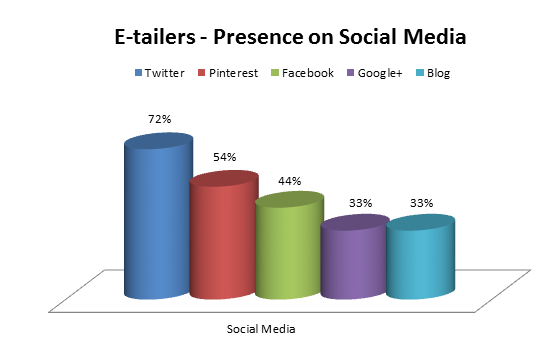
Since 2005, GetFriday has been assisting many online footwear stores from Australia to manage their businesses. This got us curious about the state of affairs in the online shoes industry in Australia. We conducted primary research with some 50 online footwear stores from the Australian region to assess the competitive landscape and analyze the industry in general. The results of this survey could be of interest to shoe e-tailers and online retailers, in general. The Online Footwear Industry in Australia Overview: With revenue generation worth $416 million and an annual growth of 14%, the industry remains fragmented with players with low levels of market share according to a June 2015 market research report. The struggle for market share is reflected in discount wars to garner customers. Our primary research data shows that 73% of online shoe retailers offer discounts on products. Why the online shoe industry is tough: The online shoes industry is a tough environment to survive in. The entry barriers to set up an online shoe store are low and the numbers of online shoe stores are increasing. This affects the revenues of these stores, making them weak players in a large industry. Some market research data indicates, no single player holds more than 5% of the market share. For smaller online retailers, this could mean that more efforts need to be put into their marketing processes. 6 Tactics to Standout in the Online Shoes Industry: 1) Recognize What to Sell: About 30% of the stores sell only women’s shoes. On an average, these stores have collections of 300 products for customers to choose from. The stores selling both men and women’s shoes have an average collection of 550 products. Ankle boots, long boots, heels, flats, wedges, sandals, sneakers, pumps, peep toes, casuals are widely available and are the commonly listed products across online shoe stores for women. The men’s collection seems to be limited to athletic shoes, boots and work shoes – these being the most commonly available products. Add value to design, material, branding, customer service and relations to differentiate your product offerings and increase your sales. 2) Push inefficiencies out of the sales and admin: Our study shows that E-commerce stores generating 10 to 15 orders per day reach a threshold point that requires rethinking the sales and admin design of the store. The focus must shift towards increasing the efficiency of sales and admin, from a “manageable” state of mind. A good CRM and project management tool could help with the collection and generation of data and could also help manage your projects with clarity. One among the best practices is to outsource activities that could be done remotely. This allows you to focus on data and customer relations. Hiring a good Virtual Assistance company for these back-end admin tasks could be the best way to improve efficiency. 3) Leverage through Cross-Selling: Most retailers assume that customers know their needs and wait for the purchase decisions to stem from this knowledge. A McKinsey report “Rediscovering the art of selling” in 2010 showed, 40% of customers are open to persuasion when they walk into a brick and mortar store. E-commerce is driven by choices and the discretion it allows to its customers. One can safely assume that E-commerce customers are willing to be persuaded even more with the right offerings at the right time. Strategize about the products you wish to cross-sell and their placement on the website. A good starting point could be to analyze the sales data to understand the patterns. This will help you identify attitudinal preferences of customers. Our study shows, on an average stores cross-sell 31 products across multiple categories. For stores selling ladies footwear, the most popular accessory to be cross-sold are handbags (37% of stores sell handbags along with footwear). Other items that are being sold along with footwear are heel stoppers, heel grips, hosiery, compression foot sleeve, gel cushion, feet blister plasters, heel cushions, shoe care cream, shoe care sponge, shoehorn, socks, sunglasses and wallets. Cross-selling can be a good revenue stream for e-commerce online shoe stores. You should focus on the products mentioned above to increase your revenues. Again find your own niche and create that differentiator if you plan to stand out from the crowd. 4) Provide Discounts for higher Revenue: A customer’s purchase decision now significantly consists of opportunities to compare prices and reviews. This has dramatically altered the purchase decisions. An ever-growing list of online retailers have added to the competition and fragmented the market. In this scenario, it can be a difficult proposition to sell footwear, which must compete for space using design and appeal as the main differentiator. Our study indicates online footwear retailers in Australia provide discounts through all seasons to attract customers. Our survey conducted in July 2015 shows, 73% stores discounted their select footwear products. 6% of stores have discounts on their available footwear collection. It is clear that discounts are being used as a tool to generate sales. It could also be used as a tool to clear stocks on a continuous basis before the next season’s products arrive. 5) Create space for niche products: Our survey shows less than 2% of stores sell niche products such as orthotic shoes and wedding shoes among many others. We recommend you to make space for these kinds of niche complementary products for higher ROI and differentiation as a part of your red ocean strategy. 6) Do not forget Social Media: Almost every store we surveyed has a social media presence. Social media marketing is cost- effective and is therefore attractive to online retailers. The online shoe industry is no exception. We conducted a survey to assess the activities of online shoe stores on Twitter, Facebook, Google+, Pinterest and various blogs. We found that 17% of stores have presence on all these social media forums. This means, online shoe stores look to engage customers’ across multiple platforms and forums. 72% have presence on Twitter, 54% have presence on Pinterest,

A Study of the Online Shoe Retailer Industry – Australia Read More »

Since 2005, GetFriday has been assisting many online footwear stores from Australia to manage their businesses. This got us curious about the state of affairs in the online shoes industry in Australia. We conducted primary research with some 50 online footwear stores from the Australian region to assess the competitive landscape and analyze the industry in general. The results of this survey could be of interest to shoe e-tailers and online retailers, in general. The Online Footwear Industry in Australia Overview: With revenue generation worth $416 million and an annual growth of 14%, the industry remains fragmented with players with low levels of market share according to a June 2015 market research report. The struggle for market share is reflected in discount wars to garner customers. Our primary research data shows that 73% of online shoe retailers offer discounts on products. Why the online shoe industry is tough: The online shoes industry is a tough environment to survive in. The entry barriers to set up an online shoe store are low and the numbers of online shoe stores are increasing. This affects the revenues of these stores, making them weak players in a large industry. Some market research data indicates, no single player holds more than 5% of the market share. For smaller online retailers, this could mean that more efforts need to be put into their marketing processes. 6 Tactics to Standout in the Online Shoes Industry: 1) Recognize What to Sell: About 30% of the stores sell only women’s shoes. On an average, these stores have collections of 300 products for customers to choose from. The stores selling both men and women’s shoes have an average collection of 550 products. Ankle boots, long boots, heels, flats, wedges, sandals, sneakers, pumps, peep toes, casuals are widely available and are the commonly listed products across online shoe stores for women. The men’s collection seems to be limited to athletic shoes, boots and work shoes – these being the most commonly available products. Add value to design, material, branding, customer service and relations to differentiate your product offerings and increase your sales. 2) Push inefficiencies out of the sales and admin: Our study shows that E-commerce stores generating 10 to 15 orders per day reach a threshold point that requires rethinking the sales and admin design of the store. The focus must shift towards increasing the efficiency of sales and admin, from a “manageable” state of mind. A good CRM and project management tool could help with the collection and generation of data and could also help manage your projects with clarity. One among the best practices is to outsource activities that could be done remotely. This allows you to focus on data and customer relations. Hiring a good Virtual Assistance company for these back-end admin tasks could be the best way to improve efficiency. 3) Leverage through Cross-Selling: Most retailers assume that customers know their needs and wait for the purchase decisions to stem from this knowledge. A McKinsey report “Rediscovering the art of selling” in 2010 showed, 40% of customers are open to persuasion when they walk into a brick and mortar store. E-commerce is driven by choices and the discretion it allows to its customers. One can safely assume that E-commerce customers are willing to be persuaded even more with the right offerings at the right time. Strategize about the products you wish to cross-sell and their placement on the website. A good starting point could be to analyze the sales data to understand the patterns. This will help you identify attitudinal preferences of customers. Our study shows, on an average stores cross-sell 31 products across multiple categories. For stores selling ladies footwear, the most popular accessory to be cross-sold are handbags (37% of stores sell handbags along with footwear). Other items that are being sold along with footwear are heel stoppers, heel grips, hosiery, compression foot sleeve, gel cushion, feet blister plasters, heel cushions, shoe care cream, shoe care sponge, shoehorn, socks, sunglasses and wallets. Cross-selling can be a good revenue stream for e-commerce online shoe stores. You should focus on the products mentioned above to increase your revenues. Again find your own niche and create that differentiator if you plan to stand out from the crowd. 4) Provide Discounts for higher Revenue: A customer’s purchase decision now significantly consists of opportunities to compare prices and reviews. This has dramatically altered the purchase decisions. An ever-growing list of online retailers have added to the competition and fragmented the market. In this scenario, it can be a difficult proposition to sell footwear, which must compete for space using design and appeal as the main differentiator. Our study indicates online footwear retailers in Australia provide discounts through all seasons to attract customers. Our survey conducted in July 2015 shows, 73% stores discounted their select footwear products. 6% of stores have discounts on their available footwear collection. It is clear that discounts are being used as a tool to generate sales. It could also be used as a tool to clear stocks on a continuous basis before the next season’s products arrive. 5) Create space for niche products: Our survey shows less than 2% of stores sell niche products such as orthotic shoes and wedding shoes among many others. We recommend you to make space for these kinds of niche complementary products for higher ROI and differentiation as a part of your red ocean strategy. 6) Do not forget Social Media: Almost every store we surveyed has a social media presence. Social media marketing is cost- effective and is therefore attractive to online retailers. The online shoe industry is no exception. We conducted a survey to assess the activities of online shoe stores on Twitter, Facebook, Google+, Pinterest and various blogs. We found that 17% of stores have presence on all these social media forums. This means, online shoe stores look to engage customers’ across multiple platforms and forums. 72% have presence on Twitter, 54% have presence on Pinterest,